Dryer vent inspections are one of the most overlooked parts of home maintenance, yet they play a critical role in both safety and performance. A properly functioning dryer vent system allows heat, moisture, and lint to exit your home efficiently. When something goes wrong inside that system, the effects can include longer drying times, higher energy bills, and in more serious cases, fire hazards.
For homeowners across Long Island and parts of Queens, regular dryer vent inspections provide a clear understanding of how your system is performing and whether any hidden issues need to be addressed.
Dryer vent inspections help identify airflow restrictions, material issues, and improper installations. They are especially valuable for older homes, new homeowners, and properties with shared or commercial laundry systems.
What a Dryer Vent Inspection Includes
A professional dryer vent inspection goes beyond a quick visual check behind the dryer. It’s a full-system evaluation designed to identify both visible and hidden issues.
1. Vent Materials and Connections
Technicians check the type of duct material used throughout the system.
Common findings include:
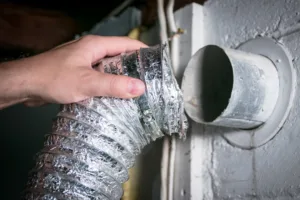
- Flexible foil or plastic ducts (not recommended)
- Loose or taped connections
- Improper transitions between materials
Modern safety standards favor rigid or semi-rigid metal ducting, which allows better airflow and reduces lint buildup.
2. Full Vent Run Evaluation
The entire vent line is inspected from the dryer to the exterior termination point.
This includes:
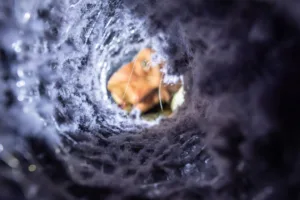
- Checking for lint accumulation inside the duct
- Identifying blockages or obstructions
- Looking for disconnected sections
Even small restrictions can significantly reduce airflow and impact dryer performance.
3. Crushed or Damaged Ducting
One of the most common issues found during inspections is crushed ductwork behind the dryer.
This can happen when:
- The dryer is pushed too close to the wall
- Flexible ducts collapse over time
- Improper installation leaves no clearance
Crushed ducts restrict airflow and trap lint, increasing fire risk.
4. Vent Length and Routing
The layout of the vent system plays a major role in efficiency.
Inspectors evaluate:
- Total vent length
- Number of bends or turns
- Vertical vs. horizontal runs
Long runs with multiple turns can reduce airflow and require more frequent maintenance.
5. Airflow Performance
Many inspections include airflow testing to measure how effectively air is moving through the system.
Low airflow can indicate:
- Internal blockages
- Improper vent design
- Material restrictions
This is often the key factor behind long drying times.
When a Dryer Vent Inspection Is Recommended
While inspections can be done at any time, there are certain situations where they are especially important.
After Purchasing a Home
New homeowners often inherit unknown vent conditions. An inspection ensures the system is safe and up to standard.
When Drying Times Increase
If clothes are taking longer than normal to dry, it’s often a sign of restricted airflow. An inspection can identify the cause.
Before Installing a New Dryer
Installing a new dryer without checking the vent system can lead to performance issues and unnecessary wear on the appliance.
Rental Properties and Multi-Unit Buildings
Shared systems and frequent usage increase the likelihood of buildup and system strain.
Older Homes
Many older homes still have outdated or unsafe duct materials that should be identified and replaced.
Inspection vs. Cleaning: What’s the Difference?
Many homeowners confuse inspections with cleanings, but they serve different purposes.
Comparison Chart
| Service Type | Primary Purpose | What It Includes | When It’s Needed |
|---|---|---|---|
| Inspection | Identify issues and evaluate system | Visual check, airflow test, system review | When problems are suspected or for safety |
| Cleaning | Remove lint and debris | Full vent line cleaning | Routine maintenance (typically yearly) |
| Repair | Fix damaged or unsafe components | Duct replacement, reconnections | When issues are found |
| Replacement | Upgrade entire vent system | New duct installation | For outdated or unsafe systems |
Inspections often lead directly to cleaning or repair recommendations based on findings.
Why Dryer Vent Inspections Matter
1. Fire Prevention
Lint is highly flammable. According to the
U.S. Fire Administration, thousands of dryer fires occur each year, with failure to clean or maintain vents as a leading cause.
External resource:
https://www.usfa.fema.gov/prevention/outreach/clothes_dryers.html
2. Improved Efficiency
Restricted airflow forces your dryer to work harder, increasing drying times and energy usage.
The
U.S. Department of Energy notes that proper appliance ventilation improves efficiency and reduces operating costs.
External resource:
https://www.energy.gov/cmei/buildings/consumer-clothes-dryers
3. Longer Appliance Lifespan
Overheating caused by poor ventilation can shorten the lifespan of your dryer and lead to costly repairs.
4. Better Indoor Air Quality
Improper venting can allow moisture and lint particles to remain inside the home, contributing to humidity issues and dust buildup.
Common Problems Found During Inspections
During dryer vent inspections across Long Island and Queens, some of the most common issues include:
- Flexible foil or plastic ducting
- Crushed or kinked vent lines
- Excessive vent length with multiple bends
- Lint buildup restricting airflow
- Disconnected or leaking duct sections
- Improper exterior vent covers
These issues are often hidden and not visible without a full inspection.
Signs You May Need a Dryer Vent Inspection
If you notice any of the following, it may be time to schedule an inspection:
- Clothes take multiple cycles to dry
- Dryer feels excessively hot
- Burning smell during operation
- Lint buildup around the dryer or vent opening
- Dryer shuts off unexpectedly
- Increased energy bills
These symptoms often point to airflow restrictions or system inefficiencies.
What Happens After an Inspection?
After a dryer vent inspection, you’ll typically receive a clear breakdown of findings and recommended next steps.
This may include:
- Cleaning to remove lint buildup
- Repairs to fix damaged or disconnected ducts
- Rerouting to improve airflow
- Full replacement for outdated systems
The goal is to create a safe, efficient, and code-compliant vent system.
Residential vs. Commercial Dryer Vent Inspections
Residential Inspections
Focused on single-family homes, condos, and apartments. Typically involve shorter vent runs but can still have significant issues.
Commercial Inspections
Used for:
- Apartment complexes
- Laundromats
- Multi-unit buildings
These systems often have longer runs, higher usage, and more complex routing, making inspections even more critical.
How Often Should Dryer Vent Inspections Be Done?
For most homes:
- Every 1–2 years is recommended
For higher usage:
- Annual inspections are ideal
For commercial systems:
- Inspections may be needed multiple times per year
Dryer Vent Inspections in Long Island & Queens NY
Homes across Nassau County, Suffolk County, and Queens often have a wide range of vent configurations, from short direct runs to complex multi-story systems.
Older construction, renovations, and improper installations can all contribute to hidden issues inside dryer vent systems.
Professional inspections help identify these issues early and provide a clear path toward safer and more efficient operation.
Final Thoughts
Dryer vent inspections provide a detailed look at one of the most important — and often overlooked — systems in your home. By identifying airflow restrictions, material issues, and installation problems, inspections help prevent larger issues before they develop.
Whether you’re a homeowner, property manager, or new buyer, a dryer vent inspection is a simple step that can improve safety, efficiency, and long-term performance.
Dryer Vent Inspection FAQs
Below are some of the most common questions homeowners, property managers, and buyers ask about dryer vent inspections. This section is designed to help explain what an inspection includes, when it is recommended, and how it supports dryer safety, airflow, and long-term system performance.
A dryer vent inspection is a professional evaluation of your dryer vent system to identify airflow restrictions, lint buildup, unsafe materials, disconnected ducting, poor routing, and other conditions that may affect safety or performance. The goal is to understand the overall condition of the system and determine whether cleaning, repair, rerouting, or replacement is needed.
A professional dryer vent inspection typically includes checking the vent materials, duct connections, full vent run, airflow performance, vent length, routing, and the exterior termination point. It may also involve identifying crushed ductwork, disconnected sections, lint buildup, and installation issues that could reduce efficiency or increase fire risk.
A dryer vent inspection focuses on evaluating the condition and design of the system, while a dryer vent cleaning focuses on removing lint and debris from inside the duct. An inspection helps identify what is wrong, while a cleaning addresses one specific problem. In many cases, an inspection leads to a recommendation for cleaning, repair, or replacement depending on what is found.
Dryer vent inspections are recommended when clothes start taking longer to dry, the dryer feels too hot, there is a burning smell during operation, lint appears around the dryer area, or you are unsure whether the system was installed correctly. They are also a smart step after purchasing a home, before installing a new dryer, or when maintaining rental and commercial properties.
Yes. New homeowners often do not know the condition of the existing dryer vent system. An inspection can uncover hidden lint buildup, unsafe flexible ducting, disconnected vent lines, or poor vent routing that may not be visible during a standard home showing. It is one of the easiest ways to confirm the system is safe and functioning properly.
Yes. Dryer vent inspections help identify lint buildup, airflow restrictions, crushed ducting, improper materials, and other system issues that can contribute to overheating and fire risk. By catching these problems early, an inspection helps homeowners take the right corrective steps before a more serious issue develops.
Some of the most common issues include flexible foil or plastic ducting, disconnected vent sections, crushed or kinked ductwork, excessive vent length, too many bends, lint buildup, and improper exterior vent covers. These issues can restrict airflow, increase drying time, and create safety concerns if left unaddressed.
Signs of an airflow problem often include clothes taking multiple cycles to dry, a dryer that becomes unusually hot, musty laundry room air, a burning smell, excess lint around the appliance, or the dryer shutting off early. These symptoms usually point to restricted airflow somewhere in the vent system and should be evaluated professionally.
Yes. An inspection can identify the reasons your dryer is struggling, such as poor airflow, lint buildup, crushed ducting, or improper installation. Once those issues are corrected, the dryer can often run more efficiently, dry clothes faster, and operate with less strain on the appliance.
Flexible plastic and thin foil-style ducts are commonly considered poor choices for dryer vent systems because they can sag, trap lint, tear, or kink easily. In many cases, rigid or semi-rigid metal ducting is the preferred material because it supports better airflow and is more durable and safer over time.
Long vent runs and multiple turns can reduce airflow and make it easier for lint to accumulate inside the duct. During an inspection, vent length and routing are reviewed to determine whether the system is contributing to inefficient drying, increased maintenance needs, or unnecessary stress on the dryer.
Yes. A dryer vent inspection can reveal common installation problems such as unsupported ducting, poorly sealed connections, unnecessary bends, improper materials, vent runs that are too long, and unsafe terminations. These installation mistakes can negatively affect both safety and dryer performance.
Older homes often have a higher chance of outdated materials, hidden routing issues, and modifications made over time that may not meet modern safety expectations. Because of that, dryer vent inspections can be especially valuable in older homes to confirm the system is operating safely and efficiently.
Yes. Installing a new dryer without checking the existing vent system can lead to poor performance, overheating, and unnecessary wear on the appliance. An inspection helps confirm that the vent line is safe, properly connected, and capable of supporting the new dryer efficiently.
Yes. Rental properties often experience higher appliance usage and may go long periods without detailed vent maintenance. A dryer vent inspection helps property owners and managers identify hidden issues, reduce fire risk, improve dryer performance, and determine whether cleaning or repairs are needed between tenants or as part of regular maintenance.
Absolutely. Shared laundry systems and commercial laundry setups typically see heavier use and may have longer, more complex vent runs. Inspections are especially important in these environments because buildup, routing issues, or damaged ducting can impact multiple users and create larger safety and maintenance concerns.
The ideal frequency depends on usage, vent length, and property type. Many homeowners benefit from an inspection every one to two years, while higher-use households, rental properties, and commercial systems may need more frequent evaluations. If there are warning signs like long drying times or overheating, it should be scheduled sooner.
After the inspection, the technician typically explains the condition of the system and outlines any recommended next steps. That may include a cleaning to remove lint buildup, a repair to fix damaged or disconnected ducting, a reroute to improve airflow, or a full replacement if the system is outdated or unsafe.
Yes. When airflow is restricted, dryers need more time and more energy to dry clothes. An inspection helps identify the issues that are making the appliance work harder than necessary. Fixing those issues can support better efficiency and more consistent drying performance.
Yes. A dryer can still run while the vent system has hidden problems such as lint buildup, crushed ducting, poor airflow, or unsafe materials. Inspections are valuable because they identify these issues before they lead to more noticeable performance problems, higher operating costs, or safety risks.