Poor dryer vent airflow is one of the most common issues homeowners experience, yet it’s often misunderstood. Many people assume their dryer is failing when clothes take longer to dry, but in reality, the problem usually starts inside the vent system.
Understanding what causes restricted airflow helps explain why dryers lose efficiency, overheat, and wear out faster. It also highlights why professional dryer vent service is often necessary to fully resolve the issue.
For homes across Long Island and Queens, airflow problems are especially common due to older construction, longer vent runs, and improper installations over time.
What Is Dryer Vent Airflow?
Dryer vent airflow refers to the movement of hot, moist air from your dryer through the vent line and out of your home.
When airflow is working properly:
- Moisture is removed efficiently
- Drying cycles are shorter
- Heat is regulated correctly
When airflow is restricted:
- Moisture stays trapped in the system
- Drying times increase
- The dryer works harder than it should
Airflow is the single most important factor in dryer performance.
Common Causes of Restricted Airflow
Several issues can contribute to airflow problems, and many of them are hidden behind walls or inside ductwork.
1. Lint Accumulation Inside the Vent Line
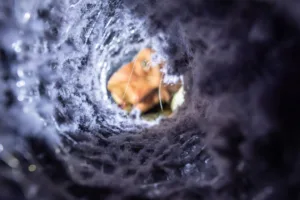
Lint buildup is the most well-known cause of airflow restriction.
Even if you clean your lint trap regularly, small particles still enter the vent system. Over time, they accumulate inside the duct.
This buildup:
- Narrows the airflow path
- Traps moisture
- Increases fire risk
According to the
U.S. Fire Administration, failure to clean dryer vents is one of the leading causes of dryer-related fires.
External resource:
https://www.usfa.fema.gov/downloads/pdf/publications/clothes_dryer_fire_safety_flyer.pdf
2. Crushed, Kinked, or Damaged Ducting
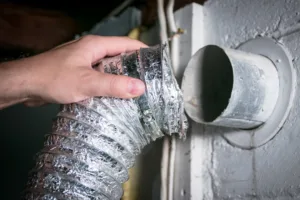
Flexible ducting can easily become crushed behind the dryer, especially when the appliance is pushed too close to the wall.
Common issues include:
- Flattened ducts
- Sharp bends
- Torn or sagging sections
These physical restrictions limit airflow and create areas where lint collects faster.
3. Improper Vent Materials
Many homes still use outdated materials such as:
- Thin foil ducts
- Plastic vent hoses
These materials are more prone to:
- Sagging
- Tearing
- Lint buildup
Modern systems use rigid or semi-rigid metal ducting, which supports smoother airflow and improved safety.
4. Excessively Long or Poorly Routed Vent Runs
Vent systems that are too long or have too many turns create resistance.
Problems often include:
- Multiple sharp bends
- Vertical runs without proper support
- Indirect routing around obstacles
Each turn and added length reduces airflow efficiency.
5. Loose or Disconnected Vent Connections
Connections between duct sections can come loose over time.
This can lead to:
- Air leaks
- Lint escaping into walls or ceilings
- Reduced airflow at the exit point
Disconnected sections are often hidden and go unnoticed without inspection.
6. Blocked Exterior Vent Covers
The exterior vent is where all air exits the system. If it becomes blocked, airflow is immediately restricted.
Common causes:
- Lint buildup at the opening
- Bird nests or debris
- Damaged or stuck vent flaps
Even partial blockage can significantly reduce system performance.
How Restricted Airflow Affects Dryer Performance
When airflow is limited, the dryer cannot properly remove heat and moisture.
Key Effects:
Longer Drying Times
Clothes take multiple cycles to dry because moisture is not being vented efficiently.
Increased Energy Usage
The dryer runs longer and consumes more electricity or gas to complete each cycle.
The
U.S. Department of Energy highlights that inefficient appliances can significantly increase energy consumption.
External resource:
https://www.usfa.fema.gov/downloads/pdf/publications/clothes_dryer_fire_safety_flyer.pdf
Overheating
Heat builds up inside the dryer, which can damage internal components.
Excess Wear on the Dryer
Restricted airflow forces the appliance to work harder, shortening its lifespan.
Fire Risk
Lint combined with heat creates a highly flammable environment when airflow is poor.
Signs of Poor Dryer Vent Airflow
Many homeowners notice symptoms before understanding the cause.
Common warning signs include:
- Clothes taking too long to dry
- Dryer feeling excessively hot
- Burning smell during operation
- Lint buildup around the dryer
- Laundry room becoming humid
- Dryer shutting off unexpectedly
These signs often indicate a deeper airflow issue within the vent system.
DIY Cleaning vs. Professional Service
Many homeowners attempt to fix airflow problems using store-bought cleaning tools.
Comparison Chart
| Approach | What It Does | Limitations |
|---|---|---|
| DIY Cleaning Tools | Removes surface lint near entry point | Cannot reach full vent run |
| Professional Cleaning | Removes lint throughout entire system | Requires specialized equipment |
| Inspection | Identifies underlying issues | Does not remove lint alone |
| Repair / Rerouting | Fixes structural airflow problems | Needed for long-term solutions |
Why DIY Cleaning Often Isn’t Enough
Store-bought tools:
- Only reach a few feet into the vent
- Cannot detect crushed or disconnected ducts
- Do not identify routing issues
- Cannot measure airflow performance
They may improve airflow slightly, but they rarely solve the root problem.
How Dryer Vent Professionals Restore Airflow
Professional service focuses on the entire system, not just one section.
1. Full System Inspection
The technician evaluates:
- Vent materials
- Duct connections
- Routing and length
- Airflow performance
This identifies all contributing issues.
2. Complete Vent Cleaning
Specialized equipment removes lint from:
- The entire vent run
- Hard-to-reach areas
- Vertical and horizontal sections
3. Duct Repair or Replacement
If damage is found, technicians may:
- Replace crushed sections
- Upgrade to rigid metal ducting
- Secure loose connections
4. Rerouting the Vent System
In some cases, improving airflow requires redesigning the vent path.
This may involve:
- Reducing length
- Eliminating unnecessary turns
- Creating a more direct route to the exterior
5. Final Airflow Verification
After service, airflow is tested to confirm the system is functioning properly.
Residential vs. Commercial Airflow Issues
Residential Homes
Typically experience:
- Lint buildup
- Crushed ducts
- Poor installations
Commercial Properties
Often deal with:
- Longer vent runs
- Heavy usage
- Complex routing systems
Airflow problems in commercial systems can impact multiple units and require more frequent maintenance.
How Often Should Airflow Be Checked?
For most homes:
- Once per year is recommended
For high-use households:
- More frequent checks may be needed
For commercial systems:
- Regular inspections are essential
Why Addressing Airflow Early Matters
Ignoring airflow issues can lead to:
- Higher energy costs
- Appliance damage
- Increased maintenance needs
- Safety risks
Addressing problems early helps maintain consistent dryer performance and prevents unnecessary wear on the appliance.
Dryer Vent Airflow Issues in Long Island & Queens NY
Homes in Long Island and Queens often have:
- Older vent systems
- Renovation-related routing changes
- Long or indirect vent runs
These factors make airflow problems more common and harder to detect without a full system evaluation.
Final Thoughts
Poor dryer vent airflow is rarely caused by just one issue. In most cases, it’s a combination of lint buildup, improper materials, and inefficient vent design.
Understanding these causes helps homeowners recognize the signs early and take action before the problem becomes more serious.
Professional inspection and service ensure the entire system is functioning properly — improving safety, efficiency, and long-term dryer performance.
Dryer Vent Airflow Problem FAQs
Poor dryer vent airflow is one of the most common causes of long drying times, overheating, and reduced appliance efficiency. These FAQs explain what causes airflow restrictions, how they are fixed, and when professional dryer vent service is the right next step.
Poor dryer vent airflow is usually caused by lint buildup, crushed or kinked ducting, improper vent materials, overly long vent runs, too many bends, loose duct connections, or a blocked exterior vent cover. In many homes, more than one of these problems is present at the same time.
Common signs include clothes taking longer to dry, the dryer becoming unusually hot, a burning smell during operation, extra humidity in the laundry area, lint collecting around the dryer, or the appliance shutting off unexpectedly. These symptoms often point to restricted airflow somewhere in the vent system.
Yes. Lint buildup is one of the most common causes of restricted airflow. Even when the lint trap is cleaned regularly, fine lint still travels into the vent line over time. As it accumulates, it narrows the passage for air and moisture to escape, making the dryer work harder and less efficiently.
Crushed or kinked ducting physically reduces the space available for air to move through the vent line. This restriction slows the movement of heat and moisture, contributes to lint buildup, and makes the dryer less effective. It is especially common when the dryer is pushed too close to the wall.
Thin foil and plastic-style ducts are some of the most common problem materials because they can sag, tear, kink, and trap lint more easily. Rigid or semi-rigid metal ducting is generally preferred because it provides smoother airflow and better long-term durability.
Yes. Excessive vent length can reduce airflow, especially when paired with multiple bends or turns. The longer and more complicated the vent run is, the harder it becomes for heat, moisture, and lint to move efficiently out of the home.
Yes. Every bend adds resistance to the airflow path. Sharp turns are especially problematic because they slow air movement and create places where lint can collect more quickly. A more direct vent path usually performs better and is easier to maintain.
Absolutely. If the exterior vent cover is blocked by lint, debris, nesting material, or a damaged flap, airflow can be restricted immediately. Even a partial blockage can lead to longer drying times and overheating inside the dryer system.
When airflow is restricted, heat and moisture cannot leave the dryer efficiently. This leads to longer drying cycles, higher energy use, added wear on dryer components, possible overheating, and increased fire risk when lint is present in the system.
Yes. One of the most common signs of airflow problems is needing multiple cycles to dry a normal load of laundry. When moisture cannot vent properly, the dryer cannot remove water from clothing as efficiently as it should.
Yes. Restricted airflow traps heat inside the dryer and vent line, which can make the appliance run hotter than normal. Over time, this added heat can strain internal components and create safety concerns if the issue is not corrected.
Yes. When a dryer runs longer to do the same job, it uses more electricity or gas. Poor airflow often leads to repeated cycles and wasted energy, especially in households that do laundry frequently.
It can be. Poor airflow allows heat and lint to build up inside the system, which increases the risk of overheating and fire. This is one reason dryer vent cleaning, inspection, and repair are important parts of routine home maintenance.
DIY tools usually only reach a limited portion of the vent line and may remove surface lint without addressing the full problem. They typically do not reveal crushed ducting, disconnected sections, blocked exterior vents, hidden routing issues, or improper materials behind walls or ceilings.
Professionals typically inspect the full system, remove lint and debris, correct damaged or restricted ducting, replace unsafe materials, secure loose connections, and verify airflow after the work is complete. In some cases, rerouting the vent system is necessary to improve long-term performance.
Dryer vent rerouting means redesigning the path of the vent line to improve airflow. This may involve reducing the total length, eliminating unnecessary bends, or creating a more direct route to the exterior vent termination. It is often recommended when the existing setup is inefficient or difficult to maintain.
Yes. Replacing damaged, sagging, or unsafe foil and plastic ducting with rigid or semi-rigid metal ductwork can improve airflow, reduce lint accumulation, and create a more durable system. Material upgrades are a common part of professional dryer vent repair and replacement work.
For many homes, dryer vent systems should be evaluated at least once a year, especially if the dryer is used frequently or the vent run is long. Higher-use households, rental properties, and commercial laundry systems may need more frequent inspections and maintenance.
Yes. Older homes are more likely to have outdated duct materials, hidden vent routes, longer runs, or modifications made over time that reduce airflow. Because of that, airflow issues are often more common and harder to identify without a full inspection.
Yes. A dryer can continue running even when the vent system has major airflow issues. If it is taking longer to dry clothes, producing extra heat, or showing other warning signs, it is worth having the vent checked before the problem causes more wear or turns into a safety issue.