If your dryer is taking too long to dry, getting unusually hot, or giving off a burning smell, it may be more than just an inconvenience.
Many homeowners immediately assume the dryer itself is broken. But in reality, a large percentage of dryer issues are caused by restricted airflow inside the dryer vent system — not the appliance.
That distinction matters.
Replacing or repairing a dryer when the real issue is the vent system:
• wastes money
• doesn’t fix the problem
• can allow safety risks to continue
This guide will help you clearly understand the difference between a dryer problem and a dryer vent problem, so you can take the right next step.
🔍 Why This Confusion Happens So Often
🧠 Modern Dryers Mask the Real Issue
Today’s dryers are designed with safety systems that:
- shut down when overheating
- display error codes
- reduce performance to prevent damage
But here’s the catch:
👉 These symptoms can look exactly like a broken dryer
👉 Even when the real issue is airflow restriction
🔥 Airflow Problems Affect Everything
When airflow is restricted:
- heat cannot escape
- moisture stays trapped
- internal temperatures rise
This affects nearly every part of the dryer’s operation — making it difficult to tell what’s actually wrong.
⚖️ Dryer Problem vs Vent Problem (Quick Breakdown)
📊 Side-by-Side Comparison
| Symptom | Most Likely Cause |
|---|---|
| Clothes take too long to dry | Vent problem |
| Dryer feels very hot | Vent problem |
| Burning smell | Vent problem (urgent) |
| Error codes (d80, AF, HE) | Usually vent problem |
| Dryer won’t turn on | Dryer problem |
| No heat at all | Dryer problem |
| Loud mechanical noise | Dryer problem |
🔥 Signs You Have a Dryer Vent Problem
These are the most common indicators that your vent system — not your dryer — is the issue.
⏱️ Clothes Take Multiple Cycles to Dry
What’s happening:
Airflow is restricted, so moisture stays trapped in the drum.
Why it matters:
The dryer has to run longer to compensate, increasing heat and wear.
🌡️ Dryer Gets Excessively Hot
What’s happening:
Heat builds up because it cannot escape through the vent.
Warning:
This is one of the biggest contributors to fire risk.
🌫️ Laundry Room Feels Hot or Humid
What’s happening:
Moist air is not being properly vented outside.
Result:
You feel the heat and humidity inside your home.
🔥 Burning Smell During Operation
What’s happening:
Lint buildup is overheating inside the system.
Action:
Stop using the dryer immediately.
🚨 Error Codes Appear
Common airflow-related codes include:
- LG: d80, d90, d95
- Whirlpool: AF
- Samsung: HE, tE
👉 These often indicate airflow restriction, not mechanical failure.
⚙️ Signs You Actually Have a Dryer Problem
While airflow issues are common, sometimes the appliance itself is the issue.
🔌 Dryer Won’t Turn On
Likely causes:
- electrical failure
- control board issue
- power supply problem
❄️ No Heat at All
Likely causes:
- heating element failure
- thermostat issue
- gas supply issue (for gas dryers)
🔊 Loud or Unusual Noises
Examples:
- grinding
- squeaking
- banging
These usually point to:
- worn belts
- motor issues
- drum components
⚡ Electrical or Control Issues
Symptoms:
- buttons not responding
- inconsistent cycles
- random shutdowns unrelated to heat
🧠 The Overlap: Why It’s So Misleading
🔄 Vent Problems Can Mimic Dryer Failure
Here’s where most people get it wrong:
A vent problem can cause:
- overheating → dryer shuts down
- poor airflow → no drying
- sensor confusion → error codes
👉 This makes it look like the dryer itself is broken
📍 Real-World Example
A homeowner replaces their dryer because:
- clothes aren’t drying
- unit keeps shutting off
But the new dryer has the same problem.
👉 The real issue? A clogged vent.
🧪 Simple Ways to Test It Yourself
Before calling for repair or replacement, try these checks.
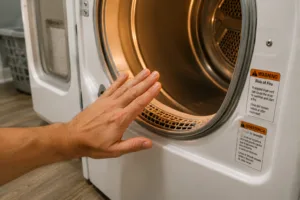
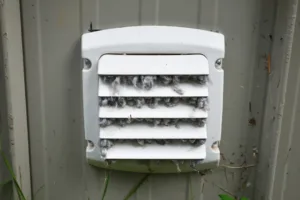
🌬️ Check Exterior Vent Airflow
How:
- Run the dryer
- Go outside
- feel airflow from vent
Result:
- Strong airflow → likely dryer issue
- Weak airflow → likely vent problem
🔍 Inspect the Dryer Hose
Look for:
- kinks
- crushing
- disconnections
🧼 Clean the Lint Trap
Always start here — but remember:
👉 This does NOT fix deeper vent issues
❌ Why DIY Fixes Often Fall Short
🧠 What Homeowners Can’t See
Most vent systems run:
- inside walls
- through ceilings
- across long distances
DIY tools:
- don’t reach far enough
- don’t fix duct problems
- don’t test airflow properly
🔧 Common Hidden Issues
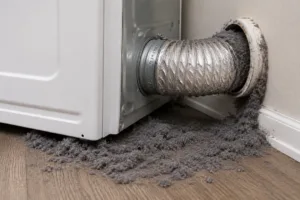
- lint buildup deep in system
- disconnected ducts
- crushed or sagging lines
- poor routing
🔧 What a Professional Actually Checks
A proper inspection includes:
🔍 Full Vent Line Evaluation
- length
- material
- layout
🌬️ Airflow Testing
- measures system performance
- identifies restrictions
🛠️ Repair Recommendations
- replace damaged ducting
- improve routing
- optimize airflow
📍 Why Long Island & Queens Homes Have More Vent Issues
This is huge for your local SEO.
🏠 Common Setup Problems
- basement laundry setups
- long horizontal runs
- multiple bends
- older duct materials
🔄 What That Means
These setups:
- trap more lint
- reduce airflow efficiency
- require more frequent maintenance
💡 Best Rule: Always Rule Out the Vent First
Before:
❌ replacing your dryer
❌ paying for repairs
👉 Check the vent system
📊 Why This Works
| Step | Outcome |
|---|---|
| Check vent first | Often solves issue |
| Replace dryer first | Problem may remain |
🚨 When to Call for Help
You should get professional help if:
- dryer runs but struggles
- drying times increase
- error codes appear
- heat feels excessive
- burning smell occurs
🔥 Bottom Line
Most “dryer problems” are not actually dryer problems.
They’re airflow problems.
Fix the vent system:
• restore performance
• reduce energy use
• eliminate safety risks
📍 Local Dryer Vent Help
In Long Island and Queens, airflow issues are extremely common due to home layouts and vent configurations.
If your dryer is showing any of these signs, it’s worth checking the vent system before assuming the appliance needs repair.
Dryer Problem vs Vent Problem FAQs
Many dryer issues that seem like appliance failure are actually caused by airflow restrictions in the vent system. These FAQs explain how to tell the difference between a dryer problem and a dryer vent problem, what signs to look for, and when to call for professional help.
If your dryer is running but clothes are taking too long to dry, the appliance feels unusually hot, the laundry room gets humid, or you notice a burning smell, there is a strong chance the issue is related to restricted airflow in the dryer vent system. These are some of the most common signs of a vent problem rather than a failed dryer.
Symptoms that often point to a vent problem include long drying times, overheating, a hot laundry room, excess lint around the dryer or vent opening, airflow-related error codes, and a weak exterior vent flap. These issues usually happen when heat and moisture cannot escape the system properly.
Signs that are more likely related to the dryer itself include the appliance not turning on, no heat at all, loud grinding or squealing noises, electrical problems, or control panel issues. These symptoms often point to internal appliance components rather than the vent line.
Yes. A clogged dryer vent can absolutely make it seem like the dryer is failing. Restricted airflow can cause overheating, shutoff issues, poor drying performance, and error codes that look like appliance problems. That is why it is smart to rule out vent issues before assuming the dryer needs replacement.
Yes. Many airflow-related error codes are triggered when the dryer detects overheating or poor vent performance. Depending on the brand, codes such as LG d80, d90, d95, Whirlpool AF, and some Samsung heating or temperature codes may be linked to restricted airflow rather than appliance failure.
Not usually. A dryer with no heat at all is more often dealing with an internal appliance issue such as a failed heating element, thermostat issue, gas supply problem, or another mechanical or electrical fault. However, if the dryer is heating but struggling to dry efficiently, the vent system becomes a more likely cause.
When the vent is clogged, hot air cannot escape properly. That trapped heat stays inside the dryer and vent line, causing the appliance to run hotter than it should. Over time, that added heat can reduce efficiency, strain internal parts, and increase fire risk.
Yes. If airflow is restricted, moisture cannot leave the dryer efficiently. That means clothes often come out damp or need multiple cycles to dry. This is one of the most common signs that the vent system is the real issue.
Yes. In many cases, it makes sense to rule out vent issues first. A clogged or poorly designed vent system can create symptoms that look like a bad dryer. Checking airflow before replacing the appliance can save money and prevent the same problem from happening with a new dryer.
You can do a basic check by running the dryer and going outside to see whether strong air is coming out of the exterior vent. Weak airflow often suggests a vent issue. However, a basic check does not reveal hidden lint buildup, damaged ducting, or poor routing inside walls or ceilings, so professional inspection is often still helpful.
Many homes in Long Island and Queens have laundry setups in basements, longer vent runs, older duct materials, or multiple turns before the vent exits the home. These conditions increase airflow resistance and make lint buildup more likely, which is why vent-related dryer problems are so common in this area.
Not always. DIY cleaning can help remove some surface lint, but it often does not reach the full vent run or identify hidden issues like crushed ducting, disconnected sections, poor vent routing, or lint deep inside the system. If the symptoms continue after basic cleaning, professional service is usually the better next step.
If the problem involves long drying times, overheating, burning smells, airflow-related error codes, or suspicion of a clogged vent, Dryer Geeks may be the right call first. If the issue is clearly electrical, mechanical, or unrelated to airflow, then an appliance repair company may be needed instead.
Ignoring a dryer vent problem can lead to longer drying times, higher energy use, more wear on the appliance, repeated error codes, overheating, and increased fire risk. Even if the dryer continues to run, the underlying airflow issue can keep getting worse over time.