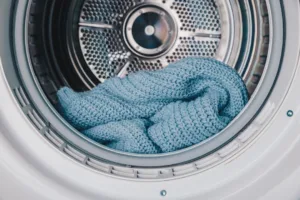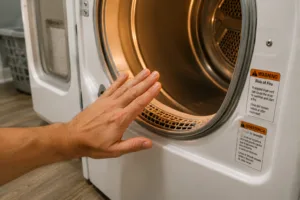
If your dryer keeps shutting off mid-cycle, it’s easy to assume the appliance is failing.
But in many cases, that’s not what’s happening.
A dryer that shuts off repeatedly is often reacting to a problem — not causing one. Most of the time, that problem is restricted airflow inside the dryer vent system, which triggers built-in safety features designed to prevent overheating.
Understanding why your dryer is shutting off can help you avoid unnecessary repairs, wasted money, and potential safety risks.
Why Dryers Shut Off Automatically
Modern dryers are designed to protect themselves.
When something isn’t operating correctly, they may:
- stop mid-cycle
- shorten drying cycles
- display warning or error codes
- refuse to start again immediately
These behaviors are intentional. They are meant to prevent overheating, component damage, and unsafe operating conditions.
The Role of Heat and Airflow
A dryer works by pushing hot air through wet clothes and then venting that heat and moisture outside.
For the system to function properly:
- heat must circulate
- moisture must escape
- airflow must remain consistent
When airflow is restricted, heat builds up inside the system — and that’s when shutdowns begin.
The Most Common Cause: Dryer Vent Airflow Problems
In many homes, especially across Nassau County and Long Island, airflow issues are the number one reason dryers shut off unexpectedly.
What Causes Poor Airflow
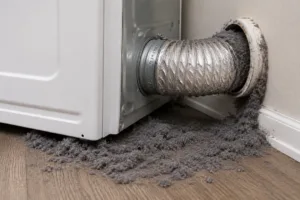
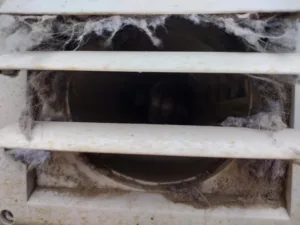
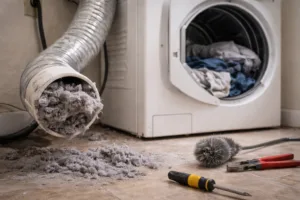
Lint Buildup Inside the Vent Line
Even if you clean the lint trap after every load, lint still travels into the vent system over time. This buildup slowly restricts airflow and reduces efficiency.
Long or Complex Vent Runs
Many homes have:
- basement laundry setups
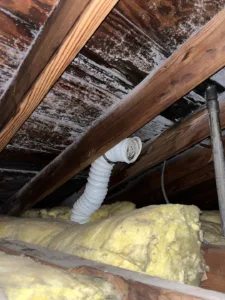
- vents that run across ceilings or walls
- multiple turns before reaching the exterior
The longer and more complex the vent, the harder it is for air to move freely.
Crushed or Kinked Ducting
Behind the dryer, vent lines can easily become:
- bent
- compressed
- partially disconnected
Even small restrictions can significantly reduce airflow.
Improper Vent Materials
Older or low-quality vent materials, such as thin foil or plastic-style ducts, tend to trap lint and restrict airflow more than rigid metal ducting.
How Airflow Problems Cause Dryer Shutdowns
Here’s what’s happening behind the scenes:
- The dryer starts normally
- Heat begins to build
- Air cannot escape efficiently
- Internal temperature rises too high
- The dryer shuts itself off to prevent overheating
This cycle can repeat every time you try to run the dryer.
Common Signs That Point to a Vent Problem
If airflow is the issue, you’ll usually notice more than just shutdowns.
Clothes Take Multiple Cycles to Dry
When moisture cannot escape, clothes stay damp even after a full cycle.
The Dryer Feels Extremely Hot
Excess heat is a major indicator that airflow is restricted.
The Laundry Room Gets Hot or Humid
If warm, moist air is not venting outside, it stays inside your home.
A Burning Smell During Operation
This is a serious warning sign. Lint buildup can overheat and should be addressed immediately.
Error Codes Appear
Some dryers display airflow-related codes, including:
- LG: d80, d90, d95
- Whirlpool: AF
- Samsung: HE or temperature-related codes
These often point to vent restrictions rather than appliance failure.
When It’s Actually a Dryer Problem
Not every shutdown is caused by airflow. In some cases, the appliance itself is the issue.
Electrical or Control Board Issues
Problems with wiring or internal electronics can cause inconsistent operation or sudden shutdowns.
Faulty Sensors or Thermostats
If temperature sensors malfunction, the dryer may shut off even when airflow is normal.
Motor or Mechanical Failure
Worn components can overheat or fail during operation, causing the dryer to stop.
A Simple Test You Can Do
Before calling for service, you can perform a basic airflow check.
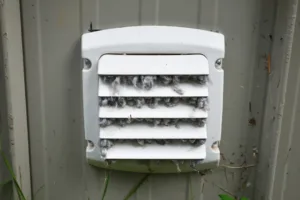
Check the Exterior Vent
- Turn on your dryer
- Go outside to the vent exit
- Feel for airflow
If airflow is strong, the issue may be with the dryer itself.
If airflow is weak or inconsistent, the vent system is likely the problem.
Why Replacing the Dryer Doesn’t Always Fix It
This is one of the most common mistakes homeowners make.
They replace the dryer, expecting the issue to disappear — but the problem continues.
That’s because the vent system hasn’t been addressed.
If airflow is restricted, even a brand-new dryer will struggle to function properly.
What a Professional Solution Looks Like
A proper dryer vent service goes beyond surface-level cleaning.
Full System Inspection
The entire vent line is evaluated, including:
- length and layout
- materials used
- connection points
Deep Cleaning
Lint and debris are removed from the full vent run — not just near the dryer.
Repairs and Improvements
If needed, professionals may:
- replace damaged ducting
- shorten or reroute vent lines
- improve airflow efficiency
Why This Is So Common in Long Island and Nassau County
Homes in this area often have:
- basement laundry rooms
- long horizontal vent runs
- older construction with outdated duct materials
These conditions make airflow problems more likely over time.
When to Stop Using Your Dryer
You should stop using your dryer and have it checked if you notice:
- repeated shutdowns
- a burning smell
- excessive heat
- airflow-related error codes
These are warning signs that should not be ignored.
The Bottom Line
If your dryer keeps shutting off, the appliance itself may not be the problem.
In many cases, the real issue is:
- restricted airflow
- lint buildup inside the vent
- inefficient vent design
Addressing the vent system often restores normal performance, improves efficiency, and reduces safety risks.
Need Help Diagnosing the Issue?
If you’re dealing with shutdowns, inconsistent drying, or airflow-related issues, it’s worth checking the vent system before replacing your dryer.
Dryer Geeks helps homeowners across Long Island and Queens determine whether the issue is:
- a vent problem
- a dryer repair issue
- or a combination of both
Dryer Keeps Shutting Off FAQs
If your dryer keeps shutting off mid-cycle, the issue may be caused by restricted airflow, overheating, clogged vents, or an internal dryer problem. These FAQs explain the most common causes and when to schedule a dryer vent inspection.
A dryer that shuts off mid-cycle is often overheating. This can happen when airflow is restricted by lint buildup, a clogged vent, crushed ducting, or a blocked exterior vent. In some cases, the issue may also be caused by an internal dryer failure such as a bad thermostat, sensor, motor, or control board.
Yes. A clogged dryer vent is one of the most common reasons a dryer shuts off unexpectedly. When heat and moisture cannot escape properly, the dryer may overheat and shut itself down as a safety measure.
If your dryer restarts after cooling down, it may be triggering a thermal safety shutoff. This often happens when the dryer gets too hot because of poor airflow. Once it cools, it may run again temporarily, but the issue will usually return until the cause is fixed.
Not always. Many homeowners assume the appliance is broken, but the real issue may be the dryer vent system. If the dryer still heats and runs but shuts off early, takes too long to dry, or gets very hot, restricted airflow may be the problem. If there is no heat, no power, or loud mechanical noise, an appliance repair technician may be needed.
Common airflow-related signs include clothes taking multiple cycles to dry, the dryer feeling extremely hot, the laundry room becoming humid, a burning smell during use, weak airflow from the outside vent, or airflow-related error codes such as LG d80, d90, d95, Whirlpool AF, or Samsung heating errors.
No. If your dryer keeps shutting off, especially with excess heat or a burning smell, it is best to stop using it until the cause is identified. Continuing to run an overheating dryer can increase wear on the appliance and may create a fire safety concern if lint buildup is present.
Cleaning the lint trap is always important, but it may not solve the problem. Fine lint still passes into the vent system over time. If buildup is deeper inside the ductwork, behind walls, or near the exterior vent, the dryer may continue shutting off until the full vent system is cleaned.
You can run the dryer and check the exterior vent outside your home. If airflow feels weak, inconsistent, or the vent flap barely opens, there may be a blockage or restriction in the vent line. A professional inspection can confirm the cause and check areas that are not visible.
Yes. Even a brand-new dryer can shut off if it is connected to a clogged, crushed, or poorly routed vent system. Replacing the dryer will not fix the issue if the vent system is still restricting airflow.
It may be a dryer repair issue if the appliance will not start, has no heat at all, makes loud mechanical noises, trips electrical circuits, or has control panel problems. If the dryer runs but overheats, shuts off early, or takes too long to dry, the vent system should usually be checked first.
Many Long Island and Nassau County homes have basement laundry rooms, long horizontal vent runs, older duct materials, or multiple bends before the vent exits the home. These setups can collect lint faster and make airflow restrictions more likely over time.
Yes. If the shutdown is related to clogged vents, lint buildup, poor airflow, damaged ducting, or improper vent routing, Dryer Geeks can inspect and service the vent system. If the issue turns out to be an internal appliance failure, you may also need a dryer repair technician.